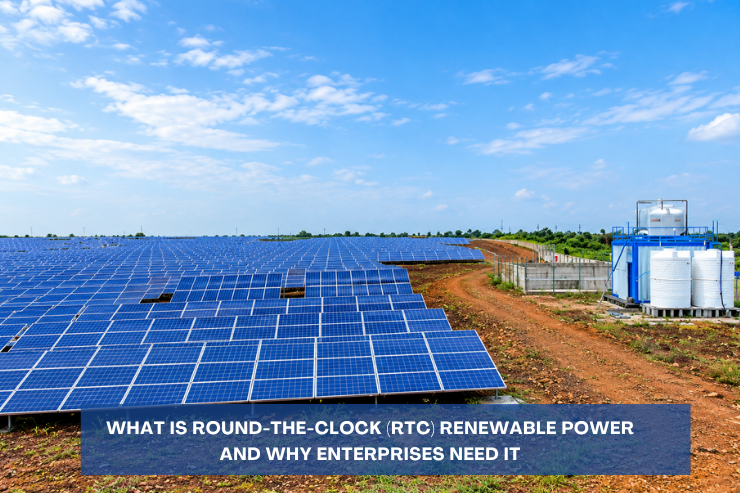


Renewable energy is increasingly important for enterprises seeking cleaner electricity across their operations. Solar and wind generation varies throughout the day, while RTC renewable power can combine complementary renewable sources, energy storage, forecasting, and scheduling to provide electricity across extended operating periods.
For enterprises with continuous or long operating hours, this approach can align renewable electricity more closely with consumption. It also supports energy planning and decarbonization goals while helping businesses use renewable resources across more hours of their daily operations.
What Is Round-the-Clock Renewable Power?
Round-the-clock renewable power refers to an electricity supply arrangement that provides renewable electricity over a defined supply profile or operating period. Solar, wind, energy storage, and other permitted sources can work together to create a more consistent electricity supply profile for enterprise operations.
The approach can combine resources with complementary generation patterns. Solar can contribute during daylight hours, while wind and energy storage can support supply during other periods, helping enterprises align renewable power procurement more closely with their consumption patterns.
How Does RTC Renewable Power Work?
An RTC arrangement coordinates multiple technologies and processes so renewable electricity can serve enterprise demand across a wider range of operating hours.
Key elements include:
- Renewable Energy Generation: Solar and wind can form the generation base of RTC power arrangements. Their distinct generation patterns can complement each other over time, while project design can incorporate storage or other permitted sources where required.
- Energy Storage: Battery Energy Storage Systems (BESS) can store electricity during periods of available renewable generation and discharge it according to system requirements.
- Forecasting and Scheduling: Generation and load forecasting estimate expected renewable output and electricity demand, helping operators schedule available energy resources more effectively.
- Energy Management: Energy management and control systems can coordinate generation, storage, and electricity demand in line with system requirements and the agreed-upon supply profile.
Together, these elements enable renewable resources to meet a broader demand profile and create supply arrangements suited to enterprise electricity requirements.
For more insights on Top Examples of Renewable Energy Sources Explained
Why Do Enterprises Need Round-the-Clock Renewable Power?
Enterprises with extended operating hours may require electricity beyond periods when solar generation is available. RTC solutions can help align renewable procurement more closely with these requirements.
Important enterprise benefits include:
- Closer Demand Alignment : Combining renewable sources with storage can help the electricity supply follow an enterprise’s consumption profile for more hours.
- Greater Renewable Energy Use : RTC arrangements can help enterprises increase the share of their electricity requirements that is supplied by renewable sources, subject to the project’s design and contractual terms.
- Effective Variability Management : Combining complementary renewable generation with storage, forecasting, and scheduling can create a more consistent renewable energy supply profile.
- Support for Decarbonization: Increasing renewable electricity use can support enterprise strategies for reducing emissions associated with purchased electricity.
- Improved Energy Planning : Defined supply arrangements can help businesses plan electricity procurement in line with consumption patterns and long-term energy objectives.
These benefits make round-the-clock renewable power relevant for businesses seeking closer alignment between clean electricity procurement and operational requirements.
What Role Does Energy Storage Play in RTC Power?
Energy storage can shift renewable electricity across different periods. Batteries can charge when renewable electricity is available and discharge according to system requirements, helping coordinate renewable generation with enterprise demand during different operating periods.
Storage can work alongside solar-wind hybrid systems, forecasting, and energy management. This combination provides greater flexibility in scheduling available electricity and helps renewable power contribute over a broader supply window, consistent with the agreed delivery profile.
How Can Enterprises Evaluate RTC Renewable Power?
Enterprises can evaluate an RTC arrangement by comparing its design and supply profile with their electricity consumption patterns and energy objectives.
Important factors include:
- Load Profile: Assess how electricity consumption changes across hours, days, and seasons to identify an appropriate renewable supply profile.
- Supply Requirements: Assess the hours, electricity volume, and supply profile required across operations.
- Generation Mix: Evaluate combinations of solar, wind, and other permitted resources according to location, availability, and generation patterns.
- Storage Requirements: Assess storage capacity and duration according to renewable generation, demand patterns, and delivery requirements.
- Location and Regulations: Consider project location, open-access rules, transmission arrangements, and applicable electricity regulations.
- Commercial Terms: Review contract duration, tariff arrangements, supply commitments, and project economics when comparing procurement options.
Evaluating these factors together helps enterprises identify an RTC arrangement aligned with their operational needs, consumption patterns, and energy objectives.
What Is the Role of RTC Renewable Power in India?
The market for RTC power in India is developing as policymakers, utilities, and renewable energy developers adopt projects designed to deliver renewable electricity over longer operating periods.
- Government Procurement: Government procurement frameworks cover grid-connected renewable projects supported by storage or other permitted sources, as well as RTC and firm, dispatchable renewable energy models.
- C&I Opportunities: These developments create opportunities for commercial and industrial consumers to explore renewable electricity across wider operating periods.
- Hero Future Energies: At Hero Future Energies, we focus on hybrid, round-the-clock power, and energy storage solutions to support the evolving energy requirements of businesses.
At Hero Future Energies, we are focused on transitioning green power into scalable, dispatchable, and firm energy. Our utility projects include Round-the-Clock (RTC) and wind-solar hybrid projects integrated with energy storage systems. These developments can help enterprises evaluate renewable power options that better match their operating schedules and electricity requirements.
What Is the Future of RTC Renewable Power for Enterprises?
Advances in battery storage, renewable generation, forecasting, and digital energy management can strengthen RTC solutions. Better coordination between these technologies can help enterprises procure renewable electricity over longer operating periods while more closely matching energy supply to consumption patterns.
India’s ongoing efforts to integrate renewable energy, expand transmission infrastructure, and advance energy storage are supporting the development of such solutions. As enterprises increase their use of renewable electricity, round-the-clock arrangements can connect clean energy generation to practical commercial and industrial electricity demand.
Conclusion
Round-the-clock renewable power integrates renewable generation, storage, forecasting, and energy management to meet electricity demand over extended periods. For enterprises, it provides a practical way to align clean electricity procurement more closely with daily operations and long-term energy objectives. As renewable technologies and storage continue to develop, RTC solutions can support greater use of renewable electricity across commercial and industrial operations. Enterprises can assess load profiles, supply requirements, regulations, storage needs, and commercial terms to identify an approach suited to their energy strategy.
Frequently Asked Questions
What does RTC stand for in renewable energy?
Round-the-Clock (RTC) renewable power is an electricity supply arrangement that combines solar, wind, energy storage, and scheduling to provide renewable electricity over extended operating periods, matching enterprise demand patterns throughout the day.
How does RTC renewable power work?
RTC power coordinates renewable generation (solar and wind), battery energy storage systems, forecasting, and energy management to create a consistent electricity supply. Solar generates during daylight, wind and storage support other periods, aligning renewable output with enterprise consumption patterns.
Why are enterprises adopting RTC power?
Enterprises adopt RTC power to increase renewable electricity use, align clean energy supply with 24-hour operations, manage renewable variability through storage, support decarbonization goals, and improve long-term energy planning with defined supply arrangements.
Is RTC power available in India?
Yes. India’s market for RTC power is developing through government procurement frameworks and commercial-industrial opportunities. Hero Future Energies focuses on hybrid, round-the-clock, and energy storage solutions to support evolving enterprise energy requirements.
How is RTC different from solar power?
Solar power generates only during daylight hours, while RTC renewable power combines solar with wind, battery storage, and scheduling to provide renewable electricity across extended operating periods, including nights and cloudy days.
Does RTC power use battery storage?
Yes. Battery Energy Storage Systems (BESS) are a key component of RTC arrangements. Batteries charge when renewable electricity is available and discharge according to system requirements, enabling renewable power to supply electricity across broader operating windows.
What industries benefit from RTC power?
Commercial and industrial enterprises with extended operating hours benefit most from RTC power. Any business requiring continuous or long-duration electricity supply can use RTC arrangements to align renewable procurement with consumption patterns and decarbonization objectives.
What is an RTC battery?
An RTC battery refers to the Battery Energy Storage System used in round-the-clock renewable power arrangements. These batteries store renewable electricity during peak generation and discharge it during demand periods, helping coordinate renewable supply with enterprise operations.