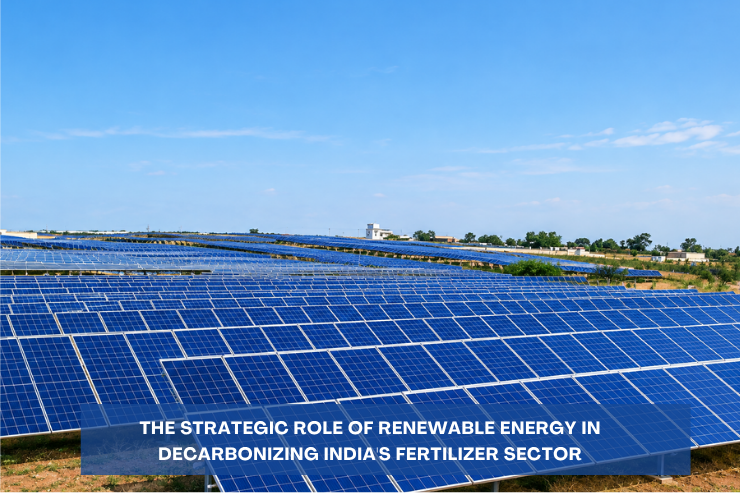


India’s fertilizer industry plays an essential role in supporting agricultural productivity and food security. Renewable energy can strengthen this sector’s transition by enabling cleaner hydrogen and ammonia production and creating a practical pathway to produce green ammonia fertilizer using renewable electricity. Solar and wind power can supply electricity for electrolysis, which produces green hydrogen for ammonia manufacturing. This connection between renewable power, hydrogen, and ammonia can support cleaner fertilizer production while advancing India’s broader industrial energy transition and sustainability goals.
Why India’s Fertilizer Sector Needs Decarbonization
Ammonia is an important input for producing urea and other fertilizers, while hydrogen is a key input for ammonia production. India currently uses substantial quantities of hydrogen in fertilizer manufacturing, making cleaner hydrogen pathways highly relevant to the sector’s energy transition.
Renewable energy provides an opportunity to shift this production pathway toward green hydrogen. Using renewable electricity to produce hydrogen can reduce emissions associated with conventional ammonia production, particularly when green hydrogen replaces fossil-fuel-derived hydrogen.
How Renewable Energy Can Decarbonize Fertilizer Production
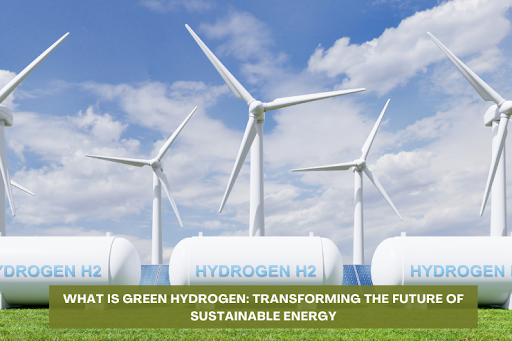
Renewable electricity can power electrolyzers that split water into hydrogen and oxygen. The resulting green hydrogen can serve as a feedstock for ammonia production, connecting solar and wind resources directly with a cleaner route for producing an essential fertilizer-sector input.
This pathway gives renewable energy a strategic industrial role beyond supplying electricity. It enables clean power to support chemical production through green hydrogen, helping fertilizer manufacturers integrate renewable resources into processes central to ammonia and fertilizer production in India.
For detailed insights into Understanding Solar Renewable Energy
The Role of Green Ammonia in Cleaner Fertilizer Production
Green ammonia is produced using green hydrogen derived from renewable energy. In fertilizer manufacturing, it can provide a cleaner pathway to ammonia and support the production of green ammonia fertilizer, connecting renewable electricity directly to an important part of India’s agricultural supply chain.
India notified its Green Ammonia Standard in February 2026. The standard requires total non-biogenic greenhouse gas emissions from green hydrogen production, ammonia synthesis, purification, compression, and on-site storage to remain at or below 0.38 kg CO₂e per kg of ammonia, averaged over the preceding 12 months.
Scaling Renewable Energy for Fertilizer Manufacturing
Industrial green hydrogen and ammonia production can create substantial demand for renewable electricity, making generation capacity and effective energy integration important considerations for scale.
Several elements can support renewable-powered fertilizer production:
- Large-Scale Renewable Capacity: Expanding solar and wind generation can provide the clean electricity needed to operate electrolyzers and support the growth of green hydrogen and ammonia production.
- Hybrid Renewable Systems: Combining complementary solar and wind generation profiles can increase renewable energy availability across more hours and support industrial green hydrogen production requirements.
- Energy Integration and Storage: Energy storage, renewable-energy banking, and effective power management can help align variable renewable generation with electrolyzer operations and industrial demand.
- Efficient Energy Management: Digital energy management and forecasting can help align renewable generation, storage, and electrolyzer operations while supporting efficient use of available clean electricity.
Together, these elements can create an energy system capable of supporting reliable production of green hydrogen and ammonia for India’s fertilizer industry.
How India’s Green Hydrogen Policies Support the Transition
The National Green Hydrogen Mission provides a national framework for expanding the production and use of green hydrogen and its derivatives. The Mission has an initial outlay of ₹19,744 crore and covers measures such as electrolyzer manufacturing, green hydrogen production, pilot projects, research and development, demand creation, and enabling infrastructure and standards.
For fertilizer production, the Green Hydrogen Mission also supports the adoption of green ammonia. By March 2026, prices had been discovered for 724,000 metric tonnes annually across 13 fertilizer units. These developments reflect the broader green hydrogen policy landscape in India, which supports cleaner industrial production.
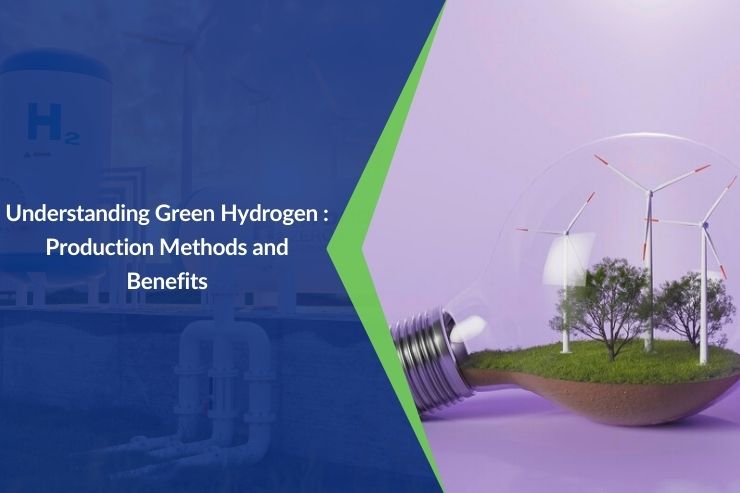
According to recent industry research Understanding Green Hydrogen: Production Methods and Benefits
Strategic Benefits for India’s Fertilizer Sector
Renewable-powered hydrogen and ammonia can deliver benefits across energy, manufacturing, and agriculture, giving the transition strategic importance that extends beyond individual fertilizer production facilities.
Key benefits for the sector include:
- Stronger Domestic Value Chains: Expanding renewable-powered hydrogen and ammonia production can strengthen domestic capabilities across renewable generation, electrolyzers, hydrogen production, ammonia manufacturing, and supporting infrastructure.
- Greater Renewable Energy Utilization: Fertilizer manufacturing can create industrial demand for renewable electricity, thereby supporting closer integration between clean power generation and energy-intensive manufacturing.
- Domestic Clean Energy Capabilities: Growth in green hydrogen, electrolyzers, renewable generation, and green ammonia can support skills, technology development, manufacturing capabilities, and investment across India’s emerging clean energy ecosystem.
- Energy Security: Domestic renewable energy and green ammonia production can support India’s efforts to strengthen energy security while building greater resilience across fertilizer supply chains.
Together, these benefits can link cleaner fertilizer manufacturing to India’s broader goals for industrial development, domestic energy capabilities, and the energy transition.
What Is Needed to Accelerate Renewable-Based Fertilizer Production
Scaling renewable-based fertilizer production requires coordination among clean power, hydrogen, ammonia, infrastructure, technology, and industrial demand to create an integrated ecosystem.
Important areas for continued progress include:
- Renewable Energy Expansion: Additional solar, wind, and hybrid capacity can supply the electricity required as green hydrogen and ammonia production expands across industrial locations.
- Electrolyzer Deployment: Greater electrolyzer manufacturing and deployment can help convert increasing quantities of renewable electricity into green hydrogen for industrial and fertilizer applications.
- Supporting Infrastructure: Suitable facilities for ammonia production, storage, handling, and transportation can connect renewable-powered production centers with fertilizer plants and other industrial users.
- Industry Collaboration: Fertilizer manufacturers, policymakers, renewable energy developers, technology providers, and green hydrogen companies can coordinate projects, demand, infrastructure, and technical capabilities.
At Hero Future Energies, we participate in this evolving ecosystem through renewable energy and green hydrogen solutions, including green ammonia applications for fertilizers. Continued progress in these areas can help make renewable electricity an increasingly important foundation for cleaner ammonia and fertilizer production in India.
For more insights on Green Hydrogen Plant
Conclusion
Renewable energy can play a strategic role in transforming India’s fertilizer sector by powering green hydrogen and enabling cleaner ammonia production. This pathway connects India’s expanding renewable energy capacity to an industrial process that directly supports agriculture and national food security. As renewable generation, electrolyzer capacity, green ammonia production, infrastructure, and policy support advance together, India can strengthen the connection between clean energy and fertilizer manufacturing. This transition can support cleaner industrial growth while building domestic capabilities across the energy value chain.
Frequently Asked Questions
How is green ammonia different from conventional ammonia?
Green ammonia uses renewable energy-derived hydrogen instead of fossil fuels, meeting India’s standard of ≤0.38 kg CO₂e per kg ammonia.
What is the National Green Hydrogen Mission?
A ₹19,744 crore framework supporting electrolyzer manufacturing, hydrogen production, R&D, and green ammonia adoption for fertilizers.
How does green hydrogen help fertilizer production?
Renewable electricity powers electrolyzers to produce green hydrogen, which replaces fossil-fuel hydrogen in ammonia and fertilizer manufacturing.
What is India’s green hydrogen policy?
The National Green Hydrogen Mission and Green Ammonia Standard (February 2026) drive adoption. By March 2026, 13 fertilizer units had priced 724,000 metric tonnes of green ammonia annually.
Why is decarbonization important for the fertilizer industry?
Ammonia production is carbon-intensive. Switching to green hydrogen reduces emissions while maintaining agricultural productivity and food security.
What renewable energy sources are used to produce green ammonia?
Solar and wind power supply electricity for electrolyzers that produce green hydrogen for ammonia manufacturing.
Which industries are investing in green ammonia in India?
Fertilizer manufacturers lead adoption (13 units active), supported by renewable energy, electrolyzer, and hydrogen production sectors.
Is green ammonia fertilizer environmentally friendly?
Yes. It significantly reduces greenhouse gas emissions by replacing fossil-fuel-based ammonia with renewable energy-powered production.
What is the future of green ammonia fertilizer in India?
Expanding renewable capacity, electrolyzer deployment, and industry collaboration will make green ammonia central to cleaner fertilizer production and energy security.