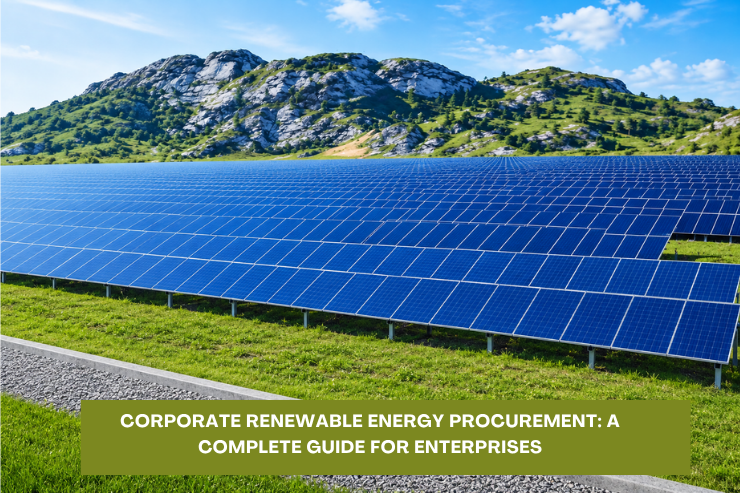


Corporate renewable energy procurement helps enterprises source clean electricity according to operational needs and sustainability goals. Businesses may work with a renewable energy corporation to identify suitable ways to meet electricity requirements using solar, wind, hybrid, or other renewable energy sources. The appropriate approach depends on consumption, location, regulations, project economics, and long-term objectives. Enterprises can consider onsite generation, open access, captive arrangements, and contractual procurement while determining which option aligns with their electricity demand, financial planning, and operational requirements.
What Is Corporate Renewable Energy Procurement?
Corporate renewable energy procurement is the process by which enterprises plan and source electricity generated from renewable energy sources. It may involve onsite projects, offsite facilities, captive or group captive arrangements, open access, or contracts with generators, depending on the company’s energy requirements and operating locations.
This approach integrates renewable energy into an enterprise’s electricity sourcing strategy. Procurement teams consider consumption patterns, project location, regulations, commercial terms, and sustainability objectives when selecting an arrangement that supports current operations and long-term energy planning.
What Renewable Energy Procurement Models Can Enterprises Use?
Enterprises can procure renewable electricity through different models based on their electricity requirements, investment preferences, location, and applicable regulatory framework.
The main procurement models are:
- Onsite Generation: Businesses can generate renewable electricity on-site. Rooftop installations are one option for solar power for businesses where suitable space and site conditions are available.
- Open Access Procurement: Eligible consumers can procure renewable electricity from offsite projects through the grid, subject to applicable regulations, charges, and commercial arrangements.
- Captive and Group Captive Models: Enterprises can participate in renewable-energy projects and consume the generated electricity subject to applicable captive requirements. Group captive arrangements can involve multiple consumers participating in a generating project and meeting the applicable ownership and consumption conditions.
- Power Purchase Agreements: A power purchase agreement (PPA) sets out agreed terms between an electricity buyer and generator, which may include pricing, contracted capacity, tenure, delivery arrangements, payment terms, and other responsibilities.
We offer C&I renewable energy solutions through models such as group captive and open access, helping enterprises evaluate renewable power procurement based on their electricity requirements, project structure, and applicable regulations.
For more insights on Solar Open Access Works for Commercial & Industrial Consumers in India
How Do Corporate Power Purchase Agreements Work?
A corporate PPA establishes the terms under which an enterprise purchases electricity from a renewable generator. It can specify contracted capacity, pricing, tenure, electricity delivery, payment terms, responsibilities, and other commercial conditions agreed between the participating parties.
A corporate renewable energy PPA guide for India should also consider project location and applicable regulations. Enterprises can assess expected generation and consumption patterns, contract terms, open-access requirements where relevant, and long-term electricity needs when evaluating an arrangement.
How Can Enterprises Choose the Right Procurement Model?
Choosing a procurement model requires businesses to match sourcing options with their electricity consumption, operational requirements, commercial priorities, and long-term energy objectives.
Important factors include:
- Electricity Consumption: Current and projected demand helps enterprises assess the amount of renewable electricity they may need to procure.
- Load Profile: Consumption patterns help compare electricity demand with expected renewable generation.
- Site and Location: Available space and site conditions influence onsite generation, while the location of the consumer and renewable project can affect offsite arrangements, grid connectivity, and applicable regulations.
- Project Economics: Investment requirements, electricity pricing, applicable charges, and contract conditions help compare procurement options.
- Contract Duration: Agreement tenure can align with expected electricity requirements and operational plans.
- Regulatory Requirements: State-specific electricity and open-access provisions are an important part of procurement planning.
Considering these factors together helps enterprises identify a procurement model aligned with their operational requirements, financial planning, and long-term energy objectives.
What Should Enterprises Evaluate Before Signing a Renewable Energy Contract?
Renewable energy contracts define commercial and operational responsibilities, making contract evaluation an important part of the enterprise electricity procurement process.
Key contractual considerations include:
- Pricing Terms: Review energy prices, pricing mechanisms, and applicable electricity-related charges.
- Contract Tenure: Assess how the agreement period aligns with expected electricity requirements.
- Contracted Capacity: Compare the contracted capacity and expected electricity supply with projected consumption.
- Delivery Arrangements: Review the grid, scheduling, metering, and open-access arrangements where applicable.
- Commercial Responsibilities: Understand payment conditions, timelines, performance obligations, and responsibilities.
- Exit Provisions: Review agreed conditions for modification, renewal, transfer, or termination.
Reviewing these provisions helps enterprises understand their contractual responsibilities and effectively align procurement agreements with commercial, operational, and long-term electricity requirements.
For detailed insights into Types of Renewable Energy
How Should Enterprises Evaluate Renewable Energy Providers?
Enterprises can compare renewable energy providers based on technical, commercial, operational, and regulatory capabilities. At Hero Future Energies, we work with C&I customers through onsite and offsite renewable-energy solutions, including open access, hybrid power, and energy storage system.
Key evaluation areas include:
- Project Experience : Assess experience with relevant technologies, project scales, and procurement models.
- Technical Capability : Consider engineering expertise, technology selection, project design, and energy management capabilities.
- Execution Capability : Review project development, commissioning, grid connectivity, and regulatory coordination experience.
- Service Scope : Compare available renewable energy services with procurement and operational requirements.
- Commercial Terms : Evaluate pricing, timelines, responsibilities, and contractual conditions among potential renewable energy suppliers.
- Energy Transition Capabilities : Enterprises can also assess whether a provider can support broader energy-transition requirements beyond conventional renewable procurement.
Selecting a renewable energy corporation requires enterprises to assess its capabilities, project experience, available solutions, and commercial approach against their specific energy requirements.
According to recent industry research Renewable Energy is Transforming Electric Grids Worldwide
Final Checklist for Corporate Renewable Energy Procurement
A final review helps enterprises confirm that their procurement strategy aligns with operational, commercial, regulatory, and sustainability requirements before moving toward implementation.
Key areas to review include:
- Energy Requirements: Confirm current and projected electricity demand.
- Procurement Model: Match the sourcing arrangement with business requirements.
- Project Economics: Review pricing, investment requirements, charges, and commercial terms.
- Regulatory Conditions: Confirm the applicable regulations, approvals, and open-access provisions.
- Provider Capability: Assess technical expertise, project experience, and execution capability.
- Generation Profile: Compare expected renewable generation with electricity consumption patterns.
Together, these checks provide enterprises with a practical framework for reviewing electricity sourcing, project requirements, provider capabilities, regulations, and contractual responsibilities.
Conclusion
Corporate renewable energy procurement allows enterprises to source renewable electricity through onsite generation, open-access, captive or group-captive arrangements, and PPAs. Choosing the right approach requires evaluating electricity demand, project economics, regulations, contract terms, and operational requirements. By matching procurement models with consumption patterns, generation profiles, provider capabilities, and long-term energy needs, businesses can make informed decisions that support effective energy planning and help advance their sustainability objectives over time.
Frequently Asked Questions
What is a corporate Power Purchase Agreement (PPA)?
A contract between a business and renewable energy generator that sets electricity pricing, capacity, duration, and delivery terms.
How do renewable energy providers help businesses?
They help enterprises evaluate, develop, and implement renewable energy solutions tailored to their electricity needs and sustainability goals.
What are renewable energy services?
Solutions including onsite solar, open-access procurement, captive arrangements, PPAs, and energy management to help businesses source clean electricity.
How do renewable energy suppliers differ from developers?
Suppliers offer procurement guidance and multiple sourcing options; developers focus on project construction and technical execution.
Is solar power for business cost-effective?
Yes, when electricity consumption, available space, location, and project economics align-long-term savings typically outweigh upfront investment.
What is Green Open Access?
A model allowing eligible businesses to buy renewable electricity from offsite projects through the grid, subject to regulations and charges.
How does a corporate renewable energy PPA work in India?
It establishes agreed terms for renewable electricity purchase, considering project location, regulations, pricing, capacity, and long-term electricity needs.
How can enterprises choose the best renewable energy corporation?
Evaluate providers on project experience, technical capability, service offerings, commercial terms, and ability to support energy-transition goals.