

India’s energy demand continues to grow as industries expand, cities develop and electricity consumption increases across sectors. At the same time, the country is working to reduce dependence on fossil fuels and increase the use of cleaner energy sources. This shift has placed wind energy in India at the center of long-term renewable energy planning.
India is already among the world’s leading renewable energy markets, and wind power continues to play an important role in supporting cleaner electricity generation. With favorable geographic conditions, policy support and rising investment, the country’s wind sector is expected to grow further in the coming years.
Growth of Wind Energy in India
India’s wind energy sector has developed steadily over the past two decades. Early growth came mainly from state-level renewable energy programs and private sector participation. Over time, central government policies and renewable energy targets encouraged larger investments in wind projects.
States such as Tamil Nadu and Gujarat became early leaders because of strong wind conditions and supportive infrastructure. Improvements in turbine technology and transmission systems also helped increase renewable energy generation capacity.
Private companies, energy developers and industrial consumers have contributed significantly to this growth by investing in large renewable energy projects across multiple states.
Current Wind Energy Capacity in India
The growth of wind energy capacity in India reflects the country’s increasing focus on renewable power generation. Wind power now contributes a significant share of India’s renewable energy mix.
According to the Ministry of New and Renewable Energy (MNRE), India’s cumulative installed wind power capacity reached 56,436.59 MW by April 2026, highlighting the country’s continued investment in renewable energy growth.
Several states continue to lead wind power development, including:
- Tamil Nadu
- Gujarat
- Karnataka
- Maharashtra
- Rajasthan
These regions offer favorable wind speeds and suitable land availability for large-scale renewable projects.
Grid expansion and transmission infrastructure remain important for supporting additional renewable capacity in the future.
Also Read : Wind Power Projects: Harnessing Renewable Energy for a Sustainable Future
How Wind Energy Production Works
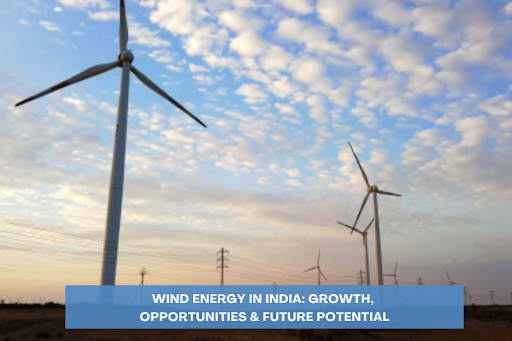
Wind energy systems convert the movement of air into electricity using wind turbines. When wind flows across turbine blades, the blades rotate and drive a generator that produces electricity.
The process behind wind energy production in India depends heavily on wind conditions, turbine efficiency and project location. Areas with stronger and more stable wind patterns generally generate higher electricity output.
Most projects in India currently use onshore wind systems. However, offshore wind projects are also gaining attention because coastal regions may offer higher generation potential over time.
Technology improvements have also increased turbine efficiency, allowing developers to generate more electricity using fewer turbines compared to earlier installations.
Wind Energy Plants in India
Large-scale wind energy plants in India support electricity generation for utilities, industries and commercial consumers. Many projects supply renewable energy directly to state grids, while others support industrial power demand through open access arrangements.
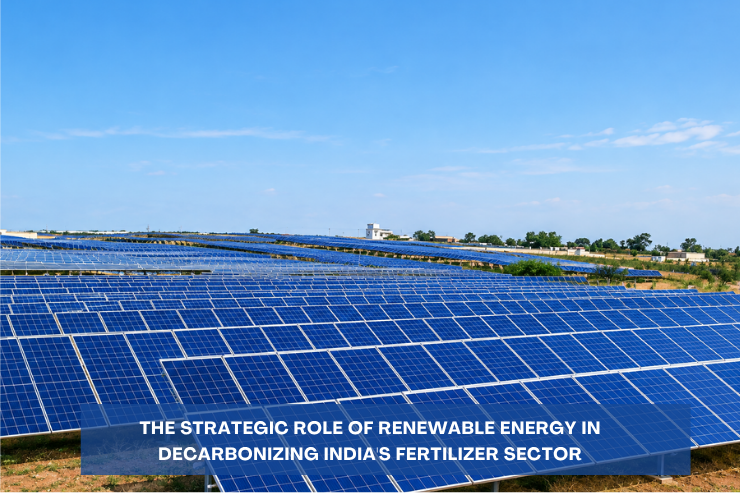
Several renewable energy developers are also investing in hybrid systems that combine wind and solar power generation. Hybrid projects help improve power reliability by balancing seasonal variations in renewable energy generation.
Renewable energy companies across India continue expanding clean energy infrastructure through large utility-scale projects. Companies like Hero Future Energies are contributing to renewable energy development through wind and hybrid energy investments across multiple states.
Related Insights : Wind Turbine Power Plants in India: A Comprehensive Guide
Wind Energy Potential in India
India still has significant untapped renewable energy opportunities. The country’s long coastline and large open land areas create strong wind energy potential in India for future expansion.
The National Institute of Wind Energy has identified major opportunities for expanding both onshore and offshore wind projects in India. Offshore wind projects, especially near Gujarat and Tamil Nadu, are expected to support future capacity growth.
Advances in turbine design are also improving generation efficiency. Taller turbines and larger rotor diameters help developers capture wind more effectively even in regions with moderate wind speeds.
Wind-solar hybrid systems are another growing area of interest. Combining both energy sources helps improve electricity supply consistency while supporting long-term renewable energy goals.
Government Policies and Industry Support
Government support continues to play a major role in renewable energy growth. The Ministry of New and Renewable Energy has introduced several initiatives to encourage wind energy investments and improve renewable infrastructure.
Policies supporting renewable energy auctions, hybrid energy projects, interstate transmission systems and green energy corridors have helped expand project development across states.
India’s renewable energy targets have also encouraged private companies and industrial consumers to increase renewable power adoption. Long-term policy support remains important for maintaining investor confidence and supporting future growth.
Trending Reads : Wind Electric Energy: Overview and How It Works?
Future Outlook for Wind Energy
India’s renewable energy sector is expected to grow steadily over the next decade. Increasing electricity demand, corporate sustainability goals and government clean energy targets are likely to support additional wind energy investments.
Industrial consumers are also increasing renewable energy procurement to reduce long-term electricity costs and support environmental goals. Wind energy may play an important role in meeting this demand alongside solar and hybrid systems.
Offshore wind development, energy storage integration and improved transmission systems may further strengthen renewable energy growth in the coming years.
Conclusion
Wind power continues to play an important role in India’s renewable energy transition. Rising investment, supportive policies and improving technology are helping expand clean energy generation across the country.
As renewable infrastructure continues to develop, wind energy in India is expected to support long-term energy security, industrial growth and sustainability goals while reducing dependence on conventional fuel sources.
Frequently Asked Questions
What is wind energy in India?
Wind energy in India refers to electricity generated using wind turbines installed across regions with strong and consistent wind conditions.
How does wind energy generate electricity?
Wind turbines convert the kinetic energy of moving air into electricity through rotating blades connected to generators.
Which state has the highest installed wind energy capacity in India?
Gujarat currently leads India in installed wind power capacity, closely followed by Tamil Nadu. Together, these two states account for nearly half of the country’s total wind generation footprint.
What are the advantages of wind energy?
Wind energy helps reduce carbon emissions, lowers fossil fuel dependence and supports cleaner electricity generation using renewable natural resources.
What are the challenges of wind energy in India?
Major challenges include land acquisition issues, transmission infrastructure limitations, variable wind conditions and high initial investment costs.
What is offshore wind energy?
Offshore wind energy refers to electricity generated using wind turbines installed in coastal waters where wind speeds are often stronger and steadier.
Which companies are leading the wind energy sector in India?
Several renewable energy companies and developers are contributing to India’s wind sector through utility-scale projects and hybrid renewable energy investments.
How is the Indian government promoting wind energy?
The government supports wind energy through renewable energy policies, auctions, transmission projects and incentives for clean energy development.
What is the future potential of wind energy in India?
India has significant future potential for both onshore and offshore wind projects due to favorable geography and rising renewable energy demand.
Is wind energy better than solar energy in India?
Both energy sources offer advantages. The better option depends on location, weather conditions, energy needs and available infrastructure.