

Energy demand is increasing rapidly worldwide as industries expand, cities grow, and technology becomes an increasingly integral part of daily life. At the same time, concerns about climate change, pollution and fossil fuel dependence continue to rise. These factors have increased global interest in cleaner energy alternatives that can support long-term environmental and economic goals.
This growing shift has made green energy an important part of global energy discussions. A simple introduction to green energy begins by understanding how renewable energy sources generate electricity while reducing environmental impact. Countries like India are now investing heavily in renewable energy projects to support cleaner growth and improve energy security.
What is Green Energy?
Green energy refers to electricity and fuel generated from renewable natural sources that produce little or no harmful emissions. Unlike conventional fossil fuels such as coal and oil, renewable energy sources rely on naturally replenishing resources.
These energy systems help reduce carbon emissions and support cleaner energy use in both industrial and residential settings. They also play an important role in reducing air pollution and supporting long-term sustainability goals.
Today, many countries are increasing the use of eco-friendly energy solutions across transportation, manufacturing and electricity generation to lower environmental impact.
Major Green Energy Sources
Several renewable energy sources contribute to clean energy generation worldwide. These green energy sources help reduce dependence on fossil fuels while supporting long-term energy supply.
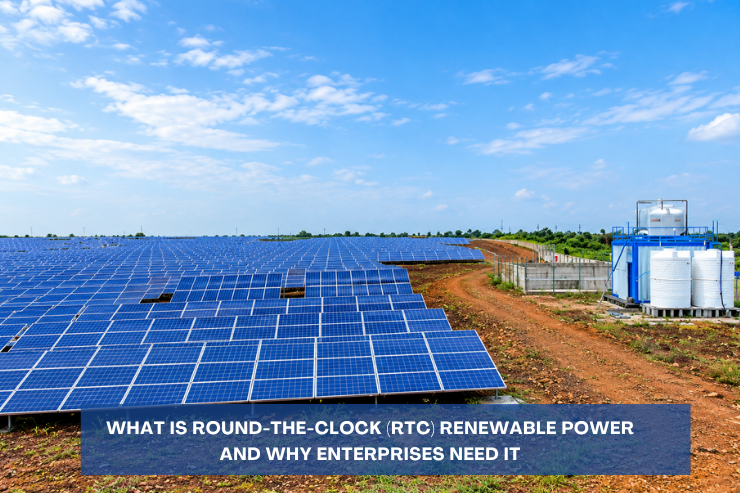
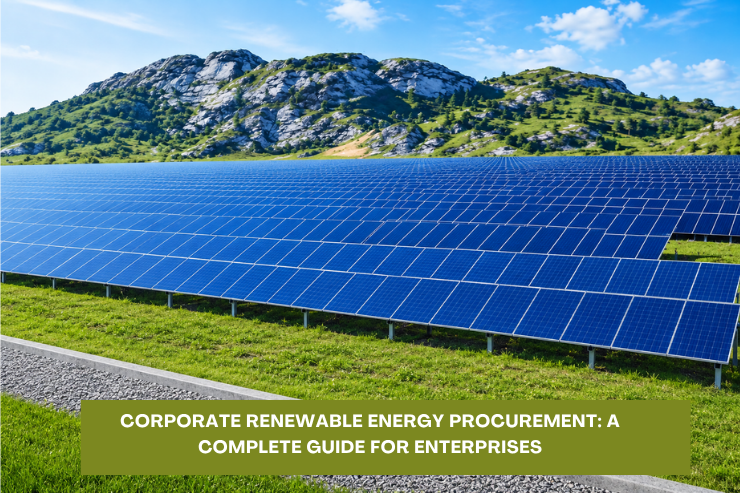
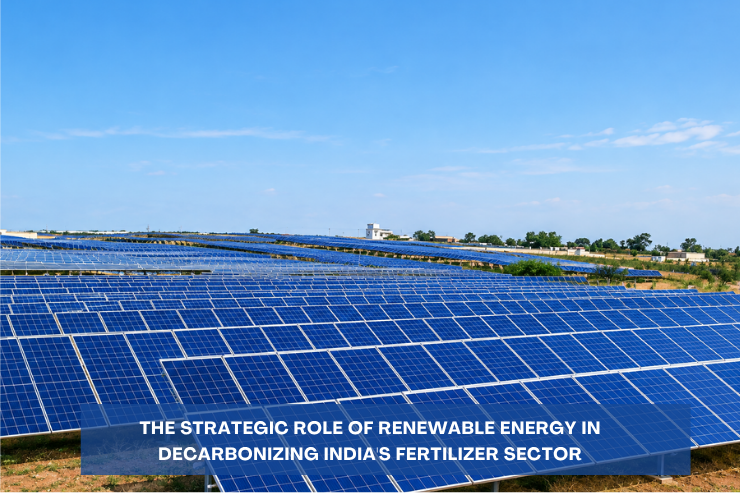
- Solar Energy : Solar energy uses sunlight to generate electricity through photovoltaic panels. India has seen significant growth in solar installations over the past decade, driven by falling equipment costs and government support.
- Solar Power : Is now widely used across residential buildings, industries and utility-scale renewable energy projects.
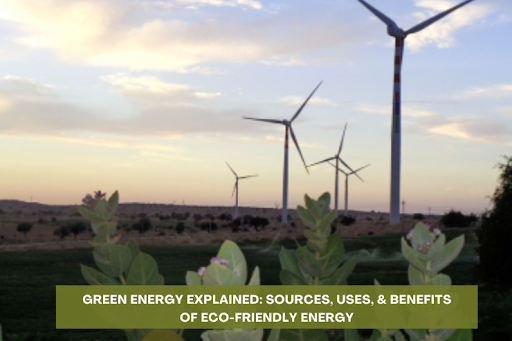
- Wind Energy : Wind turbines convert the movement of air into electricity. India’s wind sector continues to expand across states such as Tamil Nadu, Gujarat and Karnataka due to favorable wind conditions. Both onshore and offshore wind projects are expected to contribute to future growth in renewable energy.
- Hydropower : Hydropower generates electricity using flowing water. Large dams and hydroelectric projects have supported India’s electricity supply for many years and continue to remain an important renewable energy source.
- Biomass Energy : Biomass energy uses agricultural waste, organic matter and other biodegradable materials to generate power or fuel. This source also helps reduce waste while supporting rural energy needs.
- Emerging Renewable Technologies : Other renewable technologies, such as geothermal energy, hydrogen-based systems, and waste-to-energy projects, are also receiving attention as countries expand clean energy investments.
Also Read : Carefully Understanding Green Fuels – The Future of Energy
Uses of Green Energy
The use of green energy continues to expand across multiple sectors as renewable technologies become more accessible and cost-effective.
Some common applications include:
- Residential electricity generation
- Commercial building operations
- Industrial manufacturing
- Electric vehicle charging
- Agricultural irrigation systems
- Public transportation systems
Industries are also using renewable energy to reduce operational emissions and improve long-term energy cost management.
Benefits of Green Energy
- Lower Carbon Emissions : Renewable energy systems generate electricity with significantly lower emissions compared to fossil fuels. This helps improve air quality and supports climate change mitigation efforts.
- Improved Energy Security : Countries that increase renewable energy capacity can reduce dependence on imported fossil fuels. This helps improve energy security and reduces exposure to fuel price fluctuations.
- Economic Growth and Employment : Renewable energy investments support job creation across manufacturing, project development, maintenance and infrastructure sectors. Expanding renewable energy industries also encourages technology development and private investment.
- Long-Term Cost Benefits : Renewable energy technologies have become more affordable over time. Solar and wind energy costs have declined significantly, making clean energy more competitive with traditional power sources.
India’s Renewable Energy Growth
India has become one of the world’s fastest-growing renewable energy markets. Government initiatives and private-sector investment continue to support the expansion of clean energy across the country.
According to the Ministry of New and Renewable Energy (MNRE), India’s total installed renewable energy capacity reached 274.68 GW as of March 31, 2026, reflecting the country’s massive acceleration toward its clean energy goals.
Renewable energy projects across solar, wind and hybrid systems continue to expand in several states as industries and utilities increase their adoption of renewable power.
Related Resources : The Challenges and Solutions in Scaling up Renewable Energy
Challenges in Green Energy Adoption
Despite strong growth, renewable energy adoption still faces several challenges.
Some major concerns include:
- Intermittent generation: Solar and wind energy depend on weather conditions, which can affect electricity generation.
- Energy storage limitations: Large-scale battery storage systems remain expensive in many regions.
- Grid infrastructure needs: Expanding renewable capacity requires stronger transmission and distribution systems.
- High initial investment: Renewable energy projects often involve substantial upfront infrastructure costs.
Addressing these challenges will require continued investment, policy support and technological improvements.
Role of Businesses in Clean Energy Transition
Business houses are playing a major role in the adoption of renewable energy. Many companies are investing in cleaner energy systems to reduce emissions and support sustainability goals.
Industrial consumers are increasingly using renewable power through captive projects, rooftop solar systems and open-access energy arrangements. Renewable energy developers are also expanding clean energy infrastructure across India to support industrial and commercial demand.
Several renewable energy companies have contributed to this transition through investments in renewable energy projects across multiple regions.
Future of Green Energy in India
India’s renewable energy sector is expected to grow steadily over the coming years. Rising electricity demand, government clean energy targets and corporate sustainability goals will continue to drive renewable energy investment.
Hybrid renewable projects, battery storage systems and transmission infrastructure improvements are also expected to support future clean energy expansion.
As renewable technologies become more efficient and accessible, industries and households are likely to increase adoption across different parts of the country.
Explore More : Green Hydrogen Plant: Empowering the Future of Renewable Energy
Conclusion
Renewable energy has become an important part of global and national energy planning. Cleaner energy systems help reduce environmental impact while supporting long-term energy security and economic growth.
With continued investment in renewable infrastructure, technology and policy support, green energy is expected to play a major role in supporting sustainable development and cleaner energy generation in India.
Frequently Asked Questions
What are the main sources of green energy?
Solar, wind, hydropower, biomass and geothermal energy are some of the main sources of green energy used worldwide today.
Is green energy renewable?
Yes, most green energy sources are renewable because they rely on naturally replenishing resources such as sunlight, wind and flowing water.
How does green energy help the environment?
Green energy helps reduce pollution, lower carbon emissions, conserve natural resources and decrease dependence on fossil fuels for electricity generation.
What is the difference between green energy and renewable energy?
Renewable energy comes from replenishable resources, while green energy specifically refers to renewable sources with minimal environmental impact during production.
Can green energy replace fossil fuels completely?
Green energy can significantly reduce fossil fuel dependence, but complete replacement may require energy storage, grid upgrades and technological improvements.
Is solar energy considered green energy?
Yes, solar energy is considered green energy because it generates electricity using sunlight without producing direct carbon emissions during operation.
What are the disadvantages of green energy?
Green energy systems may face challenges such as weather dependency, high initial costs, storage limitations and infrastructure development requirements.
Why is green energy important for the future?
Green energy supports cleaner air, energy security, reduced emissions and long-term sustainability while helping meet growing global electricity demand.
How can households use green energy?
Households can use green energy through rooftop solar panels, energy-efficient appliances, electric vehicles and renewable electricity supply programs.