

Sustainable energy is energy that meets today’s needs without reducing the ability of future generations to meet theirs. It comes from clean, dependable sources such as sunlight, wind, flowing water and heat from inside the Earth. Because the energy sector is the largest source of greenhouse gas emissions worldwide, a shift to sustainable energy systems is central to tackling climate change, cleaning the air we breathe and keeping electricity affordable.
This guide explains what sustainable energy is, how it differs from renewable energy, the main types, its role and importance, the benefits, the challenges and solutions, and where India stands today.
What Is Sustainable Energy?
Sustainable energy is energy that is produced and used in a way that protects the environment, supports economic growth and stays available for the long term. Energy sustainability rests on three pillars:
- Environmental: low greenhouse gas emissions and minimal harm to land, water and wildlife.
- Economic: stable, affordable energy costs over the life of a project.
- Social: reliable access for everyone, with fair treatment of local communities.
Common sustainable energy sources include solar, wind, hydropower, geothermal and sustainably sourced biomass. Sustainable electricity is power generated from these sources and delivered through a grid that can store and balance it.
The United Nations launched Development Goal 7 known as SDG7 in 2015 with the aim of guaranteeing affordable energy access. Embracing energy sources is vital in mitigating carbon emissions and advancing towards an environmentally friendly economic model.
Various forms of energy like solar, wind, and hydropower contribute to our endeavours, towards living a sustainable life.
Types of Sustainable Energy
Six technologies lead the shift to sustainable energy. Each has its own strengths and best-fit uses.
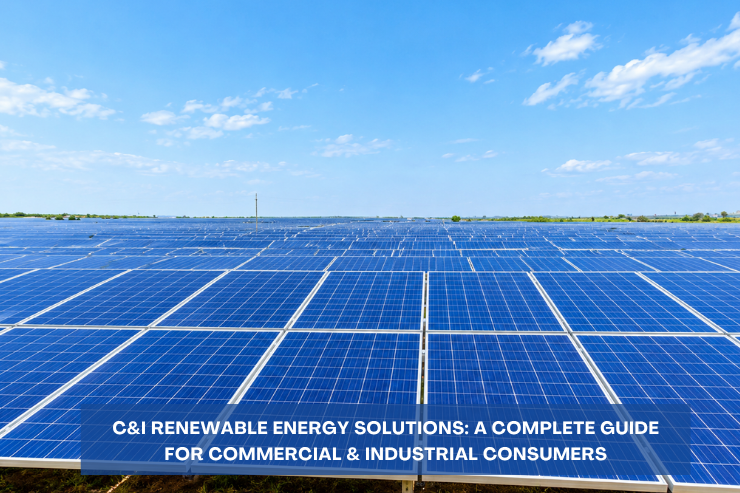
- Solar Energy : Solar energy converts sunlight into electricity using photovoltaic (PV) panels, or into heat using solar thermal systems. It is the fastest-growing source of new power: the International Renewable Energy Agency (IRENA) reports that a record 511 GW of solar capacity was added worldwide in 2025, about three-quarters of all new renewable capacity.
- Increasingly affordable: the cost of panels and installation has fallen sharply over the last decade, making solar one of the cheapest sources of new electricity in many markets.
- Flexible: it works at every scale, from rooftop systems on homes to utility-scale solar parks.
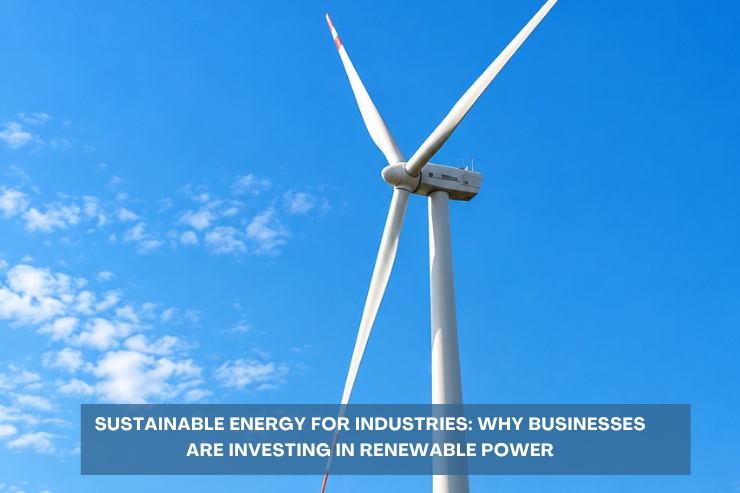
- Wind Energy : Wind turbines convert the kinetic energy of moving air into electricity. Wind farms can be built on land (onshore) or at sea (offshore), where winds are stronger and steadier.
- Low running costs: wind needs no fuel, so operating costs stay low and predictable over the life of the project.
- Land-friendly: the land between turbines can still be used for farming or grazing.
- Hydroelectric Energy : Hydropower uses the energy of flowing or falling water to turn turbines. It is one of the oldest and most established sources of clean electricity.
- Reliable and dispatchable: reservoir-based plants can raise or lower output quickly, which helps keep the grid stable.
- Sustainable when designed well: run-of-river projects, fish passages and proper resettlement plans reduce ecological and social impact.
- Geothermal Energy : Geothermal plants use heat from beneath the Earth’s surface to produce steam that drives turbines, or to supply direct heating. Output is steady day and night, but it is only practical in regions with suitable geology, and development in India is still at an early stage.
- Biomass and Bioenergy : Biomass energy comes from organic matter such as crop residue, animal waste and biogas. It counts as sustainable only when it is sourced from waste and residues, not from clearing forests or displacing food crops.
- Green Hydrogen : Green hydrogen is made by splitting water with renewable electricity. It can decarbonise sectors that are hard to electrify, such as steel, fertilisers and shipping. India has set up the National Green Hydrogen Mission to build domestic production.
Sustainable Energy Systems: How They Work
A sustainable energy system is more than power plants. It joins four layers so that clean electricity is available when people need it:
- Generation: solar, wind, hydro and other clean sources produce the electricity.
- Storage: batteries and pumped hydro store surplus power for evenings and calm days. See our energy storage solutions.
- Grids and transmission: modern, flexible networks carry power from where it is generated to where it is used.
- Efficiency and demand management: using less energy for the same output reduces the capacity that must be built.
- Climate action: the energy sector is the largest source of greenhouse gas emissions, so cleaner supply is the fastest lever for cutting them.
- Access to energy: the United Nations’ Sustainable Development Goal 7 (SDG 7), adopted in 2015, aims for affordable, reliable, sustainable and modern energy for all by 2030. The 2026 SDG 7 progress report finds that renewables now supply more than 30% of global electricity, but that progress is not fast enough to meet the 2030 targets.
- Energy security: domestic solar, wind and hydro reduce dependence on imported fuels and shield economies from price swings.
- Economic growth and jobs: clean energy projects create work in construction, operations, manufacturing and services.
- Business competitiveness: companies that buy sustainable electricity cut their emissions and meet the targets of their customers and investors.
- Lower emissions: solar, wind and hydro produce little or no greenhouse gas while generating power, which helps limit global warming.
- Lower long-term costs: once built, solar and wind have low running costs and no fuel bills, and technology costs keep falling.
- Cleaner air and better health: replacing fossil fuel plants cuts air pollution, which lowers respiratory and heart illness.
- Jobs and local development: renewable projects create local employment and often bring better roads, grid links and other infrastructure to the regions that host them.
- Energy security: using home-grown sources reduces dependence on imported fuel and strengthens energy independence.
- Innovation: demand for clean power drives advances in storage, smart grids and efficiency.
Hybrid projects that combine solar, wind and storage can supply steadier, round-the-clock power than any one source alone.
Role and Importance of Sustainable Energy
What is the role of sustainable energy? Its role is to replace coal, oil and gas with clean sources while keeping energy affordable, reliable and available to everyone. Its importance shows up in five areas:
Momentum is strong. According to IRENA, the world’s renewable power capacity reached 5,149 GW at the end of 2025, after a record 692 GW was added in a single year. Renewables made up about 86% of all new power capacity added.
Benefits of Sustainable Energy
Switching to sustainable energy brings benefits that reach the environment, the economy and daily life.
Sustainable Energy in India
India is one of the world’s largest renewable energy markets. According to data given by the Ministry of New and Renewable Energy (MNRE) in Parliament, India’s installed renewable capacity stood at 288.58 GW on 30 June 2026, including 162.15 GW of solar and 57.44 GW of wind. Including nuclear power, non-fossil capacity was 297.36 GW. India has committed to reaching 500 GW of non-fossil capacity by 2030.
Government schemes such as PM Surya Ghar (rooftop solar for homes), PM-KUSUM (solar pumps for farmers) and the National Green Hydrogen Mission are widening adoption. Developers such as Hero Future Energies are building utility-scale energy projects that bring this clean electricity onto the grid.
Challenges and Solutions of Sustainable Energy
The move to sustainable energy brings real challenges. Each one has a practical solution:
|
Challenge |
Solution |
|---|---|
|
Variable output and storage |
Solar and wind output changes with weather. Battery systems, pumped hydro and hybrid projects store surplus power and deliver it when needed. Read more on energy storage solutions. |
|
High upfront cost |
Large energy projects need heavy capital. Economies of scale, government support and financing tools such as green bonds and climate funds bring costs down. |
|
Grid integration |
Existing grids were built for steady power plants. Smart-grid technology, better forecasting and grid upgrades help manage variable supply and keep the grid stable. |
|
Policy and approvals |
Clear, stable policies, investment incentives and faster approval processes help projects move from planning to power. |
|
Infrastructure and land |
Transmission lines and sites take time and money. Partnerships between companies, governments and international partners can share costs and speed up delivery. |
|
Public awareness |
Public support matters. Education campaigns, community engagement and showcasing working projects build trust. |
Conclusion
Sustainable energy is not a single technology. It is a system of clean generation, storage and smart grids, built in a way that is fair to people and the planet. The evidence is clear that it cuts emissions, improves health, creates jobs and strengthens energy security, and India’s rapid growth shows what is possible. Governments, businesses and individuals each have a part to play, from backing clean power policies to choosing sustainable electricity at home and at work. To see how large-scale clean energy is delivered, explore our sustainable practices.
Frequently Asked Questions
How is Solar Energy Generated?
To generate solar energy we employ panels that trap sunlight and transform it into electricity using photovoltaic cells. This method effectively harnesses the power of the sun in making solar energy an environmentally friendly option for consumption.
How Does Hydroelectricity Compare To Other Renewable Energy Sources?
Hydropower stands out as an option within the realm of renewable energy due to its consistent power generation and efficient storage abilities. This makes it a top contender for meeting high-demand energy requirements and ensuring an electricity supply.
What Environmental Impacts are Associated With Hydroelectric Dams?
Building dams can have an effect on the environment and the people living nearby by forcing them to move. To reduce these impacts it’s important to plan and use sustainable methods at every stage of these project’s development.
What are The Economic Advantages of Investing in Sustainable Energy?
Investing in energy proves to be a financial decision over time. It reduces expenses and reliance on renewable energy sources improving energy security and leading to significant cost savings in the long term.
How Can Governments and Businesses Promote The Adoption of Sustainable Energy?
To encourage the adoption of sustainable energy we should offer specific rewards, implement supportive government measures, and establish successful collaborations between public and private entities. These initiatives can enhance the availability of energy technologies and increase their attractiveness to a wider range of people.
Read More About – Sustainable Energy PDF