

Energy plays a key role in modern life. It powers homes, industries, transportation systems, and communication networks. As global energy demand continues to rise, there is growing interest in understanding different energy sources and their impact on the environment. Learning about renewable energy vs non-renewable energy can help individuals and businesses make informed decisions about sustainability and future energy use. Understanding these resources is also important for driving long-term economic growth and environmental protection.
What Are Renewable and Non-Renewable Resources?
Natural resources provide the energy required for transportation, manufacturing, electricity generation, and everyday household activities. Based on how quickly they can regenerate, these resources are broadly classified into renewable and non-renewable categories, helping people understand their availability and long-term sustainability.
Renewable resources and energy sources such as sunlight, wind, and flowing water are naturally replenished and can be used repeatedly. In contrast, non-renewable resources like coal, oil, and natural gas are finite and take millions of years to form. Both resource types remain essential for powering modern economies and daily life.
Types of Renewable Resources
Renewable energy sources are becoming more common as countries invest in cleaner energy solutions. The major renewable resources are:
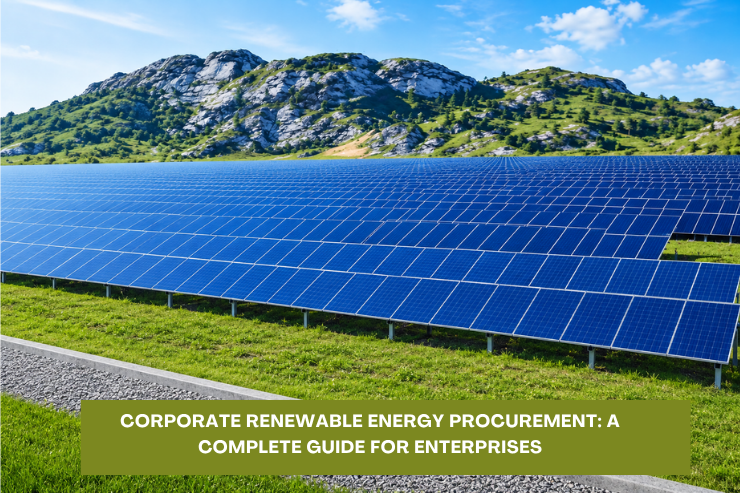
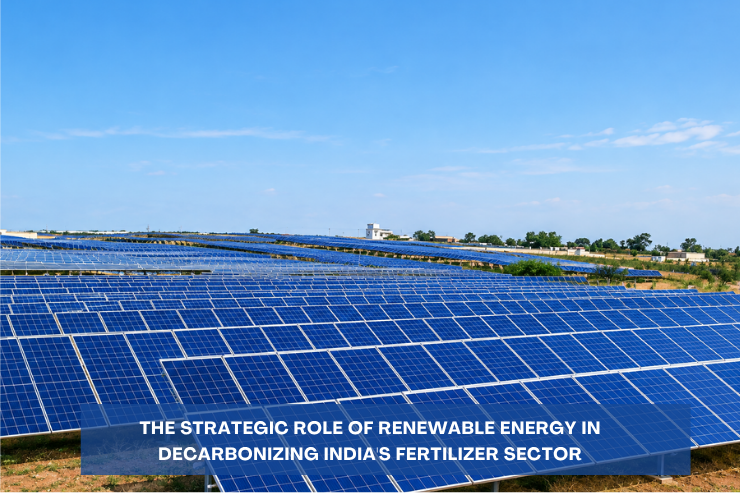
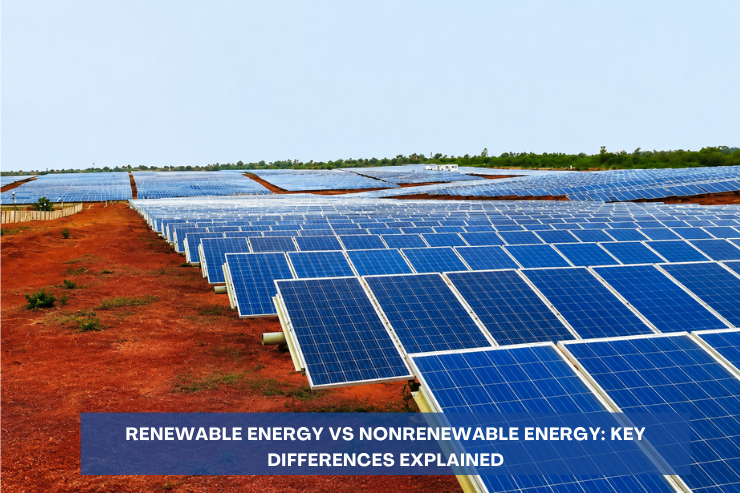
- Solar Energy: Converts sunlight into electricity or heat.
- Wind Energy: Uses wind turbines to generate power.
- Hydropower: Produces electricity from flowing water.
- Biomass Energy: Uses organic materials as fuel.
- Geothermal Energy: Utilizes heat from beneath the earth’s surface.
These resources provide cleaner alternatives to traditional fossil fuels.
Also Read : Top Examples of Renewable Energy Sources Explained
Types of Non-Renewable Resources
Non-Renewable resources continue to supply a large share of global energy. The primary types are:
- Coal: Used for electricity generation and industrial operations.
- Petroleum: Refined into fuels for transportation.
- Natural Gas: Used for heating, cooking, and power generation.
- Nuclear Energy: Produces electricity using uranium, a finite resource.
These resources have supported economic and industrial growth for decades.
Renewable Energy vs Non-Renewable Energy: Key Differences
Knowing the difference between renewable and non-renewable resources can help individuals and businesses make informed energy and sustainability decisions. Key differences include:
- Availability: Renewable resources replenish naturally, while non-renewable resources are limited.
- Environmental Impact: Renewable energy generally creates less pollution.
- Cost Structure: Renewable systems often have higher setup costs but lower operating costs.
- Carbon Emissions: Renewable energy produces fewer greenhouse gas emissions.
- Reliability: Conventional energy sources can provide continuous power output, while some renewable sources depend on weather conditions.
- Sustainability: Renewable resources support long-term energy needs.
Understanding how to differentiate between renewable and non-renewable resources is becoming increasingly important as countries plan for long-term energy security and sustainability.
Read More : Understanding Different Types of Renewable Energy
Advantages of Renewable Resources
Renewable energy is gaining popularity due to its environmental and economic benefits. Some key advantages are:
- Environmentally Friendly: Produces less pollution.
- Sustainable Supply: Replenishes naturally over time.
- Lower Emissions: Helps reduce greenhouse gases.
- Reduced Fossil Fuel Dependence: Diversifies energy sources.
- Job Creation: Supports growth in green industries.
These benefits continue to encourage investment in renewable energy technologies.
Keep Reading : Understanding Solar Renewable Energy: Benefits and Applications
Advantages of Non-Renewable Resources
Non-Renewable resources remain widely used because they provide reliable energy. Their main advantages are:
- High Energy Output: Generates large amounts of power.
- Reliable Supply: Provides energy regardless of weather conditions.
- Easy Storage: Fuels can be stored and transported efficiently.
- Established Infrastructure: Backed by extensive global energy networks.
These strengths continue to contribute to their widespread use.
Disadvantages of Non-Renewable Resources
Growing environmental concerns have highlighted the drawbacks of fossil fuel dependence. Common disadvantages include:
- Air and Water Pollution: Can damage ecosystems and natural resources.
- Climate Change Impact: Releases greenhouse gases into the atmosphere.
- Resource Depletion: Supplies are finite and will eventually decline.
- Health Concerns: Pollution can affect human health.
These challenges have increased interest in cleaner energy alternatives.
Examples of Renewable and Non-Renewable Resources in Daily Life
Both renewable and non-renewable resources play important roles in everyday activities. Common examples of renewable and non-renewable resources include:
- Household Use: Solar panels powered by sunlight and natural gas used for cooking or heating.
- Industrial Use: Electricity generated from wind or solar energy alongside power produced from coal or natural gas.
- Transportation: Electric vehicles powered by renewable electricity and vehicles fueled by petrol or diesel.
These examples show how both resource types power modern lifestyles.
Why the World Is Shifting Toward Renewable Resources
Many countries are increasing their adoption of renewable energy to meet environmental and economic goals. Renewable energy investments are contributing to this transition. Key factors driving this shift include:
- Climate Change Concerns: Reducing emissions remains a global priority.
- Government Policies: Incentives encourage the adoption of clean energy.
- Technological Advancements: Innovation continues to improve efficiency.
- Future Sustainability: Renewable energy supports long-term energy needs.
These factors continue to drive the global transition toward cleaner energy sources.
Further Reading : The Challenges and Solutions in Scaling up Renewable Energy
Renewable and Non-Renewable Resources: Which Is Better?
Both renewable and non-renewable resources currently play important roles in meeting global energy demand. However, the better option often depends on factors such as environmental impact, availability, cost, and long-term sustainability.
Key considerations include:
- Environmental Perspective: Renewable energy generally causes less environmental harm and produces fewer emissions.
- Economic Perspective: Both resource types contribute to economic growth and support various industries.
- Sustainability Perspective: Renewable resources naturally replenish, making them more suitable for long-term energy needs.
- Energy Security Perspective: A diverse energy mix that includes both renewable and non-renewable sources can improve energy resilience.
While both resource types remain important today, renewable energy is generally considered the more sustainable long-term solution due to its lower environmental impact and renewable nature.
Conclusion
Understanding renewable energy vs non-renewable energy is essential for making informed energy choices. Renewable resources support sustainability, lower emissions, and long-term energy security, while non-renewable resources continue to provide reliable power. As global energy needs evolve, expanding renewable energy adoption alongside responsible resource management can help create a cleaner and more sustainable future.
Frequently Asked Questions
What is the difference between renewable and non-renewable resources?
Renewable resources can regenerate naturally over time, while non-renewable resources take millions of years to form and cannot be replaced quickly.
What are examples of renewable resources?
Solar, wind, hydropower, biomass, and geothermal energy are common renewable energy sources.
Why are fossil fuels non-renewable?
Fossil fuels form over millions of years from organic matter, making their replenishment much slower than current consumption rates.
Which energy source is more eco-friendly?
Renewable energy sources are generally more eco-friendly because they produce lower emissions and less pollution during operation.
Why is renewable energy important for the future?
Renewable energy helps reduce emissions, improve energy security, and support long-term sustainability by relying on naturally replenishing resources.