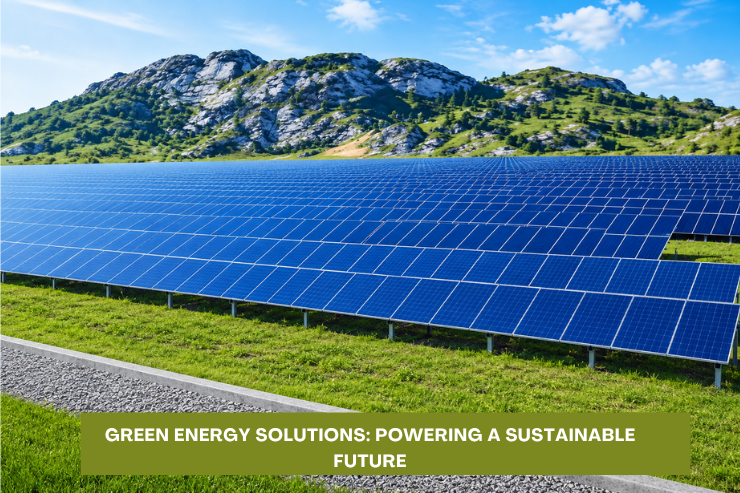


As energy demand rises worldwide, the need for cleaner and more sustainable power sources continues to grow. Green energy solutions help reduce dependence on fossil fuels while supporting environmental and economic goals. Powered by renewable resources such as sunlight, wind, water, and biomass, these solutions are transforming the way energy is generated and consumed. Advances in technology and supportive policies are making renewable energy more accessible for homes, businesses, and industries, helping build a cleaner and more sustainable future.
What are Green Energy Solutions?
Green energy refers to power generated from renewable resources that naturally replenish over time. Unlike conventional energy sources such as coal, oil, and natural gas, renewable systems produce minimal emissions and have a lower environmental impact. These solutions work by converting natural resources such as sunlight, wind, water, and underground heat into usable electricity or thermal energy through specialized technologies.
Businesses and households are increasingly adopting renewable energy to lower electricity costs, improve energy efficiency, and meet sustainability goals. As renewable technologies become more reliable and accessible, they offer a practical alternative to traditional energy systems.
Types of Green Energy Solutions
Renewable energy can be generated through several technologies, including:
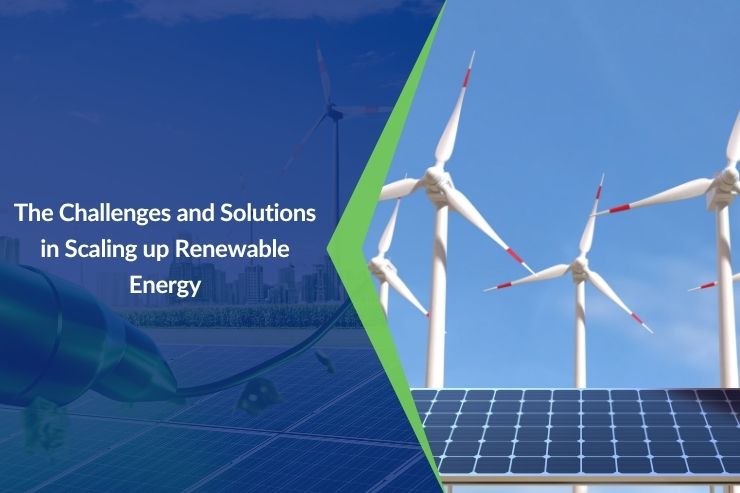
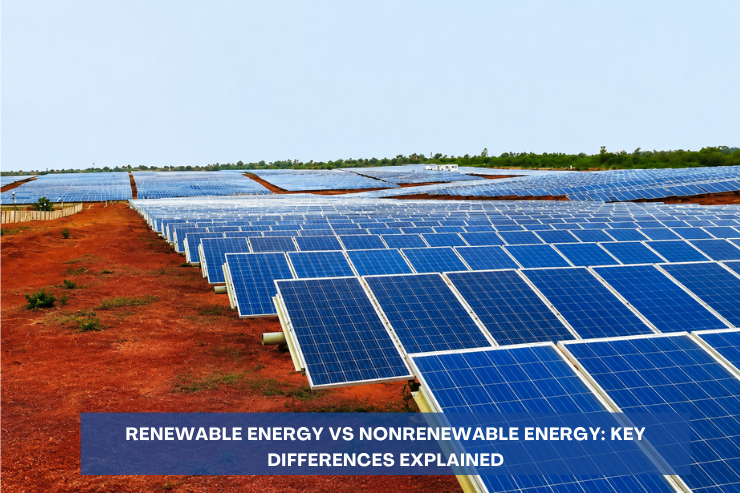
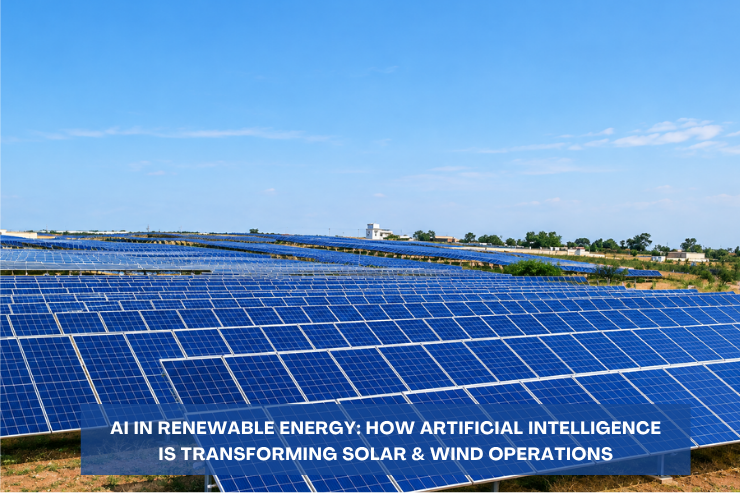
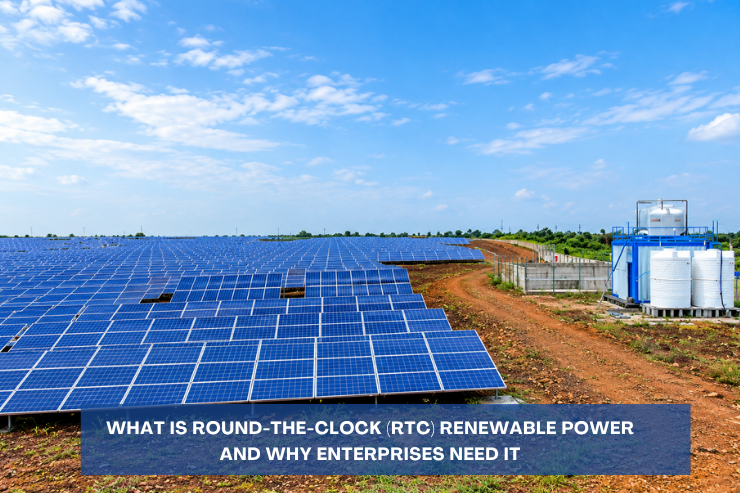
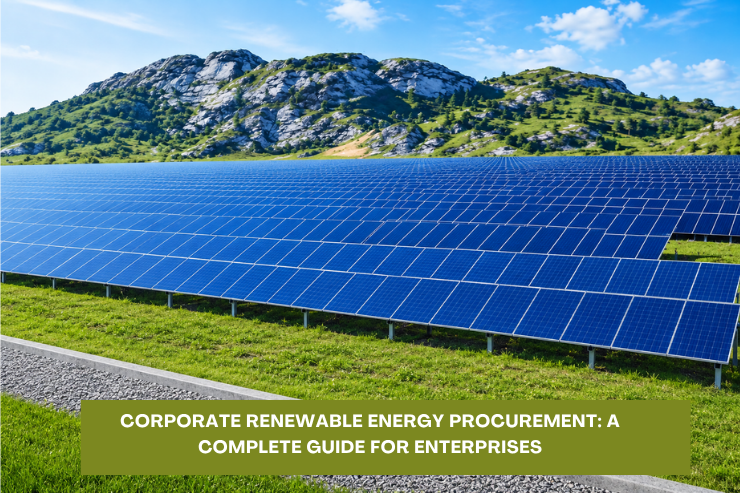
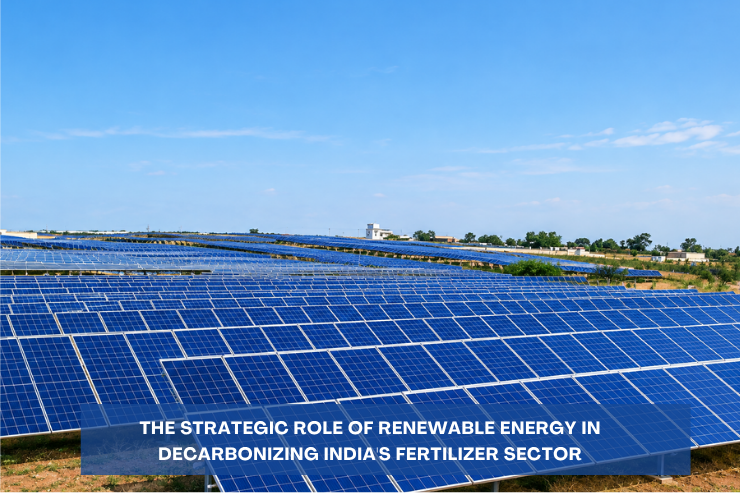
- Solar Energy Solutions: Use solar panels, rooftop systems, and solar-powered appliances to generate electricity from sunlight.
- Wind Energy Solutions: Harness wind power through onshore farms, offshore projects, and small turbines to produce electricity.
- Hydropower Energy Solutions: Produce electricity using flowing water in large and small hydro facilities across different regions.
- Biomass Energy Solutions: Convert organic waste and biofuels into usable energy for power and heating needs.
- Geothermal Energy Solutions: Utilize underground heat for heating, cooling, and industrial operations with minimal emissions.
Many organizations are investing in solar green energy solutions because they can be scaled for both residential and commercial use.
Also Read : Carefully Understanding Green Fuels – The Future of Energy
Key Benefits of Green Energy Solutions
These advantages continue to encourage wider adoption of renewable energy across the world:
- Reduction in Carbon Emissions: Helps lower greenhouse gas emissions and environmental impact.
- Long-Term Cost Savings: Reduces energy expenses over time through lower operating costs.
- Energy Independence: Decreases reliance on traditional power sources and imported fuels.
- Environmental Sustainability: Supports cleaner air and responsible resource use.
- Job Creation: Generates employment in manufacturing, installation, and maintenance activities.
- Low Maintenance: Many systems operate efficiently for decades with limited upkeep.
These benefits continue to drive renewable energy adoption worldwide.
Green Energy Solutions for Homes
Homeowners can improve energy efficiency through solutions such as:
- Residential Solar Power Systems: Generate electricity from sunlight for household use.
- Smart Energy Storage Solutions: Store excess energy for later use during periods of high demand.
- Energy-Efficient Appliances: Reduce electricity consumption and improve efficiency.
- Electric Vehicle Charging Solutions: Support EV ownership at home with convenient charging access.
- Home Automation: Optimize energy use through smart controls and monitoring systems.
Together, these technologies help households reduce energy consumption and improve overall efficiency.
Green Energy Solutions for Businesses
Businesses are adopting renewable technologies to improve efficiency, lower operating costs, and meet sustainability targets. Common solutions include:
- Commercial Solar Installations: Reduce reliance on grid electricity and lower operating costs.
- Green Building Technologies: Improve energy performance and resource efficiency.
- Sustainable Manufacturing Practices: Lower resource consumption and reduced waste generation.
- Corporate Renewable Energy Adoption: Support environmental commitments and sustainability targets.
- Energy Management Systems: Monitor and optimize energy use across operations.
These solutions help organizations improve efficiency, reduce costs, and advance sustainability goals. Companies are increasingly contributing to clean energy infrastructure development and supporting the transition toward sustainable power generation.
Keep Reading : What is Green Hydrogen: Transforming the Future of Sustainable Energy
Emerging Technologies in Green Energy Solutions
Technology is improving the performance and reliability of renewable energy systems through innovations such as:
- Artificial Intelligence: Optimizes energy generation and distribution through data-driven insights.
- Smart Grids and Smart Meters: Improve energy monitoring and management in real time.
- Battery Energy Storage Systems: Store renewable energy for future use and improve reliability.
- Hydrogen Fuel Technology: Supports clean transportation and industry with lower emissions.
- Internet of Things (IoT): Provides real-time energy consumption data for better decision-making.
These advancements are helping renewable energy systems become more efficient and reliable.
Government Initiatives Supporting Green Energy Solutions
Governments support renewable energy through programs and incentives such as:
- Renewable Energy Policies: Encourage clean energy development across sectors.
- Tax Benefits and Subsidies: Reduce project costs for consumers and businesses.
- Net Metering Programs: Reward excess electricity generation supplied to the grid.
- Global Sustainability Goals: Promote lower emissions worldwide and cleaner energy adoption.
- India’s Renewable Energy Mission: Expands clean energy capacity and strengthens energy security.
These initiatives help accelerate the transition to sustainable energy systems.
How to Choose the Right Green Energy Solution
Choosing the right renewable energy system depends on several factors, including:
- Assessing Energy Needs: Understand consumption requirements before selecting a system.
- Budget Considerations: Evaluate installation and maintenance costs alongside long-term savings.
- Location and Climate Factors: Consider local environmental conditions that affect performance.
- Evaluating ROI and Efficiency: Compare long-term savings and performance across available options.
- Selecting a Reliable Energy Provider: Choose experienced and trusted professionals for implementation and support.
Many organizations seek green energy power solutions that balance environmental benefits with operational requirements.
Future Trends in Green Energy Solutions
The renewable energy sector continues to evolve through developments such as:
- Decentralized Energy Systems: Localized energy generation is increasing across communities and businesses.
- Electric Mobility: Electric vehicle adoption continues to expand in many markets.
- Improved Solar Panel Efficiency: New technologies generate more power from sunlight than earlier systems.
- Community Energy Projects: Shared renewable initiatives are growing in different regions.
- Net-Zero Energy Buildings: Buildings are designed to produce as much energy as they consume over time.
These trends are expected to increase the adoption of eco-green energy solutions worldwide.
Why Green Energy Solutions Are Essential for a Sustainable Future
Green energy supports environmental protection, economic sustainability, and energy security. By reducing greenhouse gas emissions and limiting dependence on fossil fuels, renewable energy helps protect natural ecosystems and improve air quality.
From an economic perspective, renewable technologies can reduce long-term energy costs while creating jobs and encouraging investment in new industries. They also strengthen energy security by diversifying energy sources and reducing reliance on imported fuels.
As global energy demand continues to increase, renewable energy solutions will play an important role in supporting sustainable development and long-term energy resilience. Their combined environmental, economic, and social benefits make them a critical component of future energy strategies.
Conclusion
Renewable energy is reshaping the global energy sector. From solar and wind power to smart energy technologies, green energy solutions provide practical ways to improve efficiency and reduce environmental impact. Continued innovation, supportive government policies, and increasing awareness will drive further adoption in the years ahead. By embracing sustainable energy practices today, individuals and organizations can help build a cleaner, more secure, and more environmentally responsible future.
Frequently Asked Questions
Which green energy solution is the most cost-effective?
Solar energy is often considered one of the most cost-effective renewable energy options due to declining equipment costs and long-term savings.
Are green energy systems suitable for homes?
Yes, homeowners can use solar panels, battery storage systems, smart appliances, and energy management technologies.
How do green energy solutions help the environment?
They reduce greenhouse gas emissions, lower pollution levels, and promote the sustainable use of natural resources.
What is the future of green energy solutions?
Future growth is expected in battery storage, hydrogen technology, smart grids, and decentralized energy systems.
Can businesses reduce costs using green energy solutions?
Yes, renewable energy can lower electricity expenses, improve efficiency, and support long-term sustainability goals.