

The global energy sector is moving toward cleaner and lower-emission alternatives. Governments and industries are under growing pressure to reduce dependence on fossil fuels while maintaining a stable energy supply for long-term growth. This shift has increased interest in green hydrogen as a cleaner fuel option that can support industrial operations, transportation and power generation.
India has also started investing heavily in hydrogen-based energy systems as part of its broader renewable energy goals. With rising energy demand and climate concerns, hydrogen is gaining attention as a fuel that can support cleaner economic growth in the coming years.
What is Green Hydrogen?
Many people hear about hydrogen in energy discussions but are unsure how it differs from conventional fuel sources. In simple terms, green hydrogen is hydrogen produced from renewable energy rather than fossil fuels.
Traditional hydrogen production often relies on natural gas or coal, which creates significant carbon emissions. In contrast, renewable electricity powers the process for producing green hydrogen, making it a cleaner alternative.
This process supports the broader growth of hydrogen renewable energy systems that aim to reduce emissions across industries that are difficult to fully electrify.
How Is Green Hydrogen Produced?
A common question today is how green hydrogen is produced. The process mainly involves electrolysis, where electricity splits water into hydrogen and oxygen.
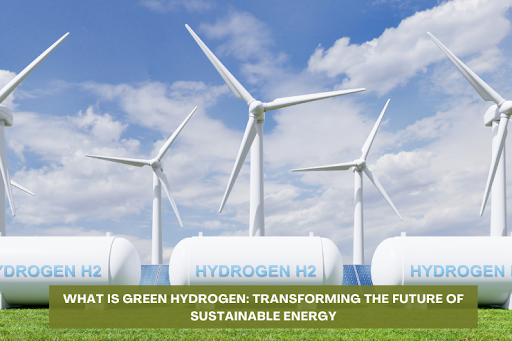
Renewable energy sources such as solar and wind power supply the electricity required for this process. An electrolyzer separates water molecules into hydrogen and oxygen without producing carbon emissions during production.
The hydrogen can then be stored and used later for industrial applications, fuel cells or electricity generation. Oxygen released during the process becomes a useful by-product for certain industrial uses.
As renewable energy capacity expands, green hydrogen production is expected to grow across several countries, including India.
Importance of Hydrogen in Clean Energy Transition
The importance of hydrogen is increasing as some industries cannot easily reduce emissions through direct electrification alone. Sectors such as steel manufacturing, fertilizer production, heavy transport, shipping and chemical industries require high-temperature energy or large-scale fuel usage that electricity alone may not fully support at present.
Hydrogen offers an alternative fuel option for these sectors. It can help lower industrial emissions while supporting energy reliability for operations that need a continuous power supply.
Hydrogen also has the potential to support long-duration energy storage, which may help balance renewable power generation in the future.
Role of Renewable Energy in Hydrogen Development
Renewable energy plays a key role in hydrogen production. Solar and wind energy help power electrolyzers without adding carbon emissions to the process.
Countries investing in hydrogen development must also increase renewable energy generation capacity. Without sufficient renewable electricity, large-scale hydrogen production may become expensive or environmentally inefficient.
India’s growing solar and wind infrastructure creates opportunities for future hydrogen expansion. Several renewable energy companies are already exploring integrated clean energy systems that support hydrogen development alongside renewable power generation.
Related Articles : Understanding Green Hydrogen: Production Methods and Benefits
Green Hydrogen Infrastructure and Plants
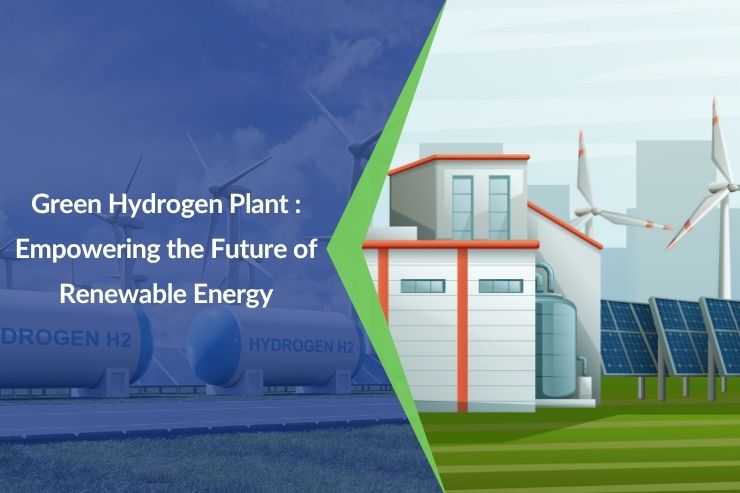
A green hydrogen plant requires several components, including renewable energy supply, electrolyzers, water access, storage systems and transportation infrastructure.
Unlike conventional fuels, hydrogen requires specialized handling and storage because of its physical properties. Developing pipelines, storage facilities and industrial supply chains will be important for large-scale adoption.
India has started exploring hydrogen hubs and industrial corridors to support future production and distribution. These developments may help industries access hydrogen more efficiently over time.
India’s Push Toward Hydrogen Development
India has launched several initiatives to support hydrogen adoption, including the National Green Hydrogen Mission. The program aims to encourage domestic hydrogen production and reduce dependence on imported fossil fuels.
According to the Ministry of New and Renewable Energy, India approved the National Green Hydrogen Mission with an outlay of ₹19,744 crore to support production, infrastructure and research related to hydrogen development.
The government expects hydrogen to support emission reduction efforts while strengthening India’s clean energy sector and industrial competitiveness.
Future Outlook for Hydrogen in India
India’s industrial sector is expected to increase investment in cleaner energy technologies over the coming years. Hydrogen may become an important part of this transition, especially for industries with high fuel consumption and emission levels.
The country also has export potential due to its growing renewable energy capacity. Renewable energy developers are contributing to the expansion of clean energy that may support future hydrogen ecosystems.
As infrastructure improves and production costs gradually decline, hydrogen could become an important part of India’s long-term energy strategy.
Explore More : Examples of Greenhouse Gases: What They Are and Why They Matter
Conclusion
Hydrogen is gaining attention as industries and governments look for cleaner alternatives to conventional fuels. It offers strong potential for reducing emissions in sectors where direct electrification remains difficult.
With continued investment in renewable energy, infrastructure and technology, green hydrogen can play a major role in supporting cleaner industrial growth and long-term energy sustainability in India and beyond.
Frequently Asked Questions
Why is green hydrogen considered eco-friendly?
Green hydrogen is considered eco-friendly because its production process uses renewable energy and produces little to no harmful carbon emissions.
What are the main uses of green hydrogen?
Green hydrogen is used in industries like steel, fertilizers, transportation, shipping, power generation and long-duration energy storage applications.
Is green hydrogen better than fossil fuels?
Green hydrogen helps reduce carbon emissions and pollution compared to fossil fuels, especially in industries with high energy consumption requirements.
What is the difference between green and blue hydrogen?
Green hydrogen uses renewable energy for production, while blue hydrogen is produced from natural gas with carbon capture and storage systems.
Can green hydrogen replace petrol and diesel?
Green hydrogen may partially replace petrol and diesel in heavy transport, shipping and industrial applications where battery systems are less suitable.
Why is green hydrogen expensive?
Green hydrogen remains expensive due to high electrolyzer costs, renewable electricity requirements and limited large-scale production infrastructure.
Which industries use green hydrogen?
Industries such as steel manufacturing, chemicals, fertilizers, refining, heavy transport and shipping are increasingly exploring green hydrogen adoption.
What is India’s Green Hydrogen Mission?
India’s Green Hydrogen Mission is a government initiative supporting hydrogen production, infrastructure and research to encourage cleaner energy development.